
June 15, 2026
Theology of Technology 101
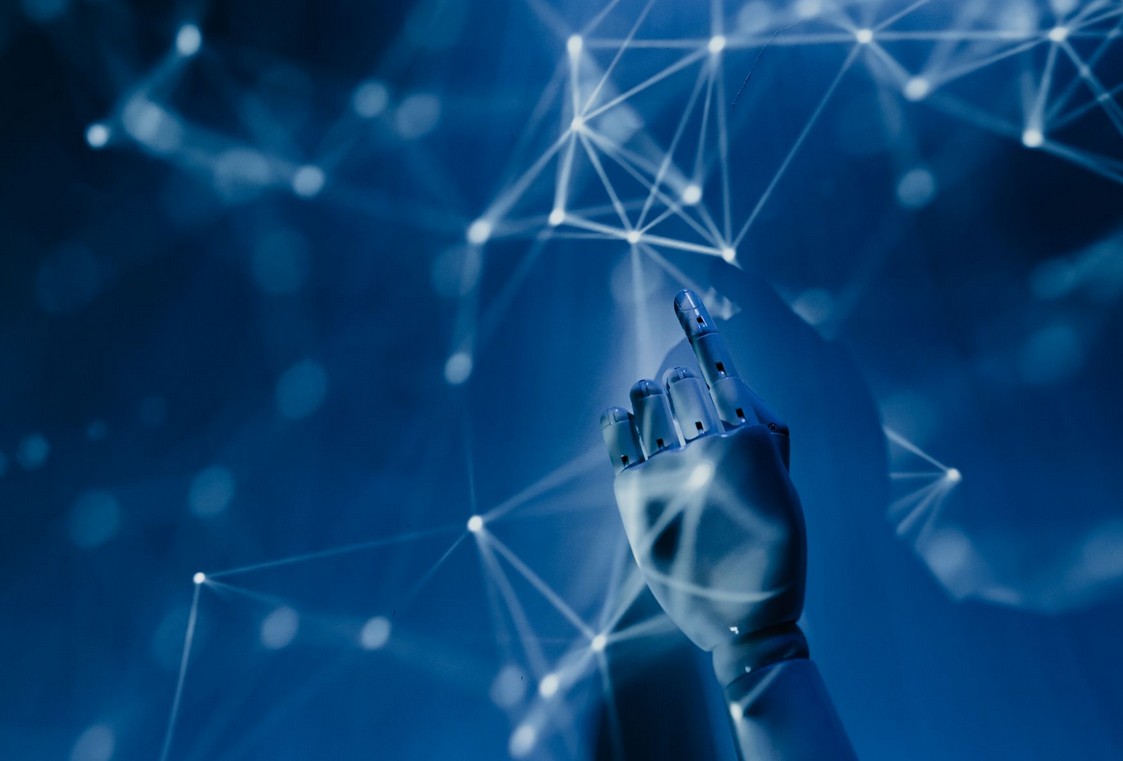
Many people have mixed emotions when it comes to Artificial Intelligence. It is both scary and exciting at the same time when we consider its potential. Recently, the company I work for introduced AI tools to assist software developers in our day-to-day work. At first, I was sceptical, but I was amazed the first time I used it. AI was able to solve a bug I had been struggling with for a long time—something I couldn’t fix due to my lack of technical knowledge on that area. That experience was exciting, because AI made me more productive in my job, yet also unsettling. It raised the question: Will I still have a job in the future if AI can do this so well?
In the past, we believed that the more skills we acquired, the more competitive we became. We focused heavily on learning the how. But now, as long as we can clearly articulate the what, AI can often handle the how (I say often because AI’s response is often inaccurate as well). For example, I recently bought a book on regular expressions—a technical skill for extracting specific text patterns from data. I wanted to master it, but I now realise I may not need it as much anymore, because AI can handle such tasks. Looking back, I wonder if I should have bought a Christian book instead, since God’s truth will never become outdated like technology. As Scripture reminds us: “Heaven and earth will pass away, but My words will never pass away.” (Matthew 24:35; Isaiah 40:8).
God as Sovereign King of the universe is one of the main themes in the book of Isaiah. One thing we need to be sure of is that God is sovereign over any technological invention. God created the man who created AI (Isaiah 54:16), and He is able to use anyone or anything to accomplish His purposes (Isaiah 10:12 – 14; 45:1 – 13). Tony Reinke said in his book God, Technology and the Christian Life, “In God’s plan, technology will serve the ultimate flourishing of God’s people”. How does he get this idea? From Isaiah 54:17: “No weapon formed against you shall prosper, and you will refute every tongue that accuses you. This is the heritage of the servants of the LORD, and their vindication is from Me,” declares the LORD.”
We all know that any technologies can be utilised for good or evil purposes, which depends on the intent of the user. Tony Reinke has again articulated it very well in his book, “The true challenge of ethics is not in determining which technologies should be made possible, but in determining how those new possibilities are wielded”. For instance, AI technologies can be used to make employees more productive, as I have described above or evil people can use Deepfakes, which is a type of media (video, audio, or image) that has been digitally manipulated using Artificial Intelligence to make it look or sound like someone did or said something they never actually did for scam purposes.
As believers, knowing the truth that God is sovereign over every technological invention, we should pray for His wisdom on how to wield these tools for His glory and the good of our neighbours. For instance, I’ve heard a testimony of how young people in a local church in Indonesia taught seniors how to order an online taxi using apps so they could attend church—what a simple but powerful example of technology being redeemed for God’s purposes.
I will close this article with a question for all of us: How can I use technology to serve, encourage, or build up others rather than only for my own convenience? That might mean using AI to save time so you can spend more of it with people, to listen to their problems, or simply choosing to share God’s Word through online platforms. Technology will continue to change, but our calling remains the same: to love God and love people (Matthew 22:37–39).
May we be a generation that is not allergic to new inventions, but faithfully steward them under God’s sovereignty, trusting that no matter how advanced human creations become, “the word of our God will stand forever” (Isaiah 40:8).